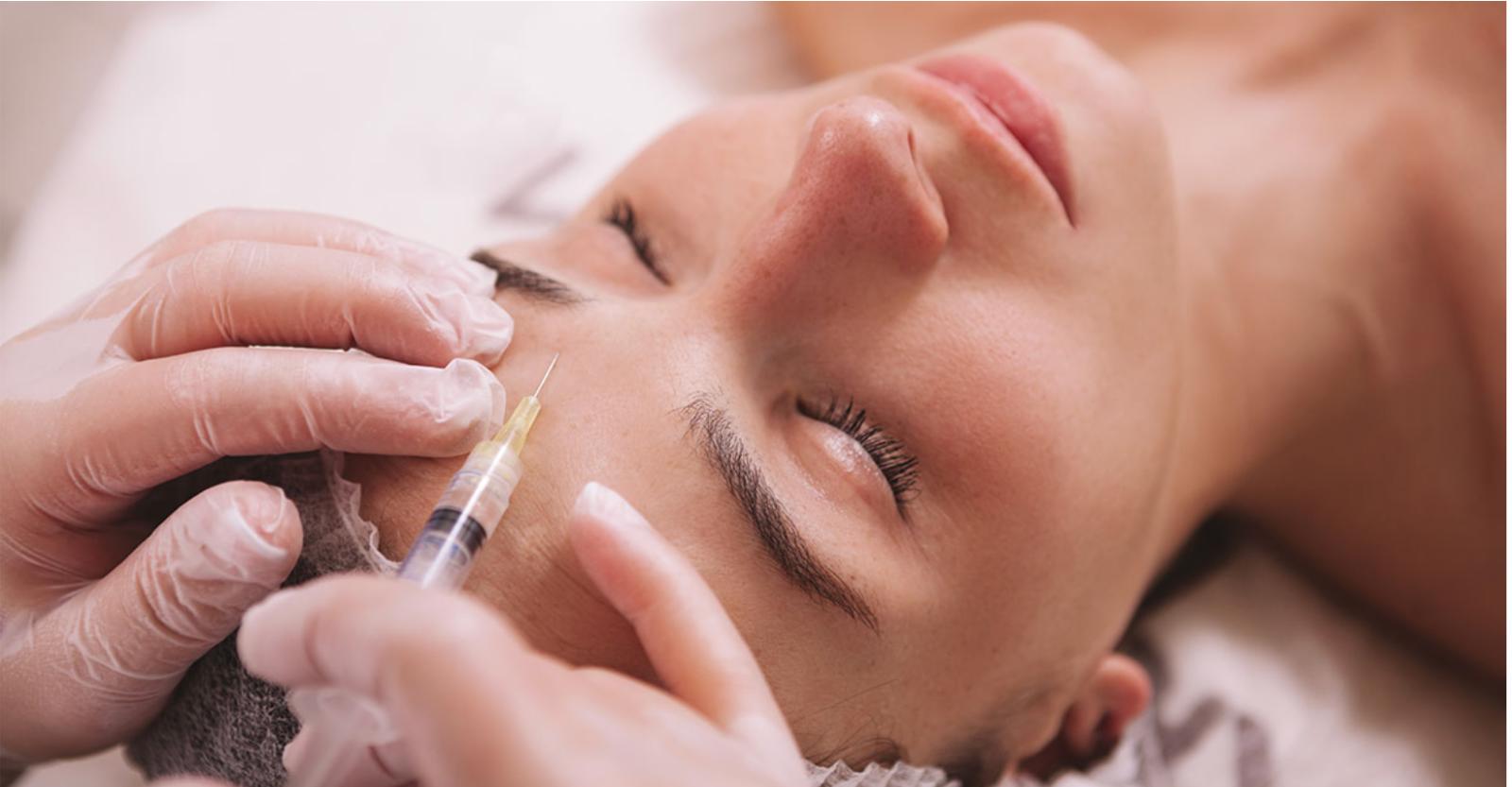
Botox vs. Filler: What’s the Difference?
When it comes to non-surgical facial rejuvenation, two of the most popular treatments are Botox and dermal fillers. While they’re often grouped together, they work in completely different ways and treat different concerns. Understanding the difference can help you choose the right treatment for your goals.
What Is Botox?
Botox is a neuromodulator that temporarily relaxes specific facial muscles. Over time, repeated expressions like frowning, squinting, and raising your eyebrows create lines in the skin. Botox softens those lines by limiting muscle movement, preventing wrinkles from deepening and smoothing existing dynamic lines.
Best treated with Botox:
- Forehead lines
- Frown lines (the “11s”)
- Crow’s feet
- Bunny lines
- Lip flip
- Jaw slimming or TMJ concerns
Results: Begin appearing in 3–7 days
Lasts: About 3–4 months
Best for: Wrinkles caused by facial movement
Botox is ideal for clients who notice lines when they make expressions, even if those lines fade at rest.
What Are Dermal Fillers?
Dermal fillers are gel-like substances—most commonly made of hyaluronic acid—that restore lost volume, enhance facial contours, and soften deeper folds. A popular option is Juvederm, which adds structure and hydration beneath the skin.
As we age, we naturally lose collagen, fat, and elasticity. This volume loss leads to sagging, hollowing, and deeper lines. Fillers replenish that lost support.
Best treated with filler:
- Lip enhancement
- Cheek volume loss
- Chin and jawline contouring
- Nasolabial folds (smile lines)
- Under-eye hollows
Results: Immediate
Lasts: 6–18 months depending on area
Best for: Volume loss and facial contouring
Fillers are perfect for clients who feel they look tired, hollow, or less defined rather than wrinkled from movement.
The Core Difference: Muscle vs. Volume
The simplest way to think about it:
- Botox treats movement.
- Filler treats volume.
If your wrinkles are caused by repetitive muscle activity, Botox is likely the solution. If your concern is sagging, hollow areas, or deeper folds that are present even when your face is at rest, filler may be the better choice.
Can You Combine Botox and Filler?
Absolutely. Many clients benefit from a combination approach. For example, Botox can soften forehead lines while filler restores cheek volume and enhances the lips. Together, they create balanced, natural-looking rejuvenation without surgery.
This is often called a “liquid facelift,” where strategic placement of both products refreshes the face while maintaining your natural features.
Which Treatment Is Right for You?
The best option depends on:
- Your age and skin condition
- Your facial anatomy
- Whether lines are dynamic or static
- Your aesthetic goals
A personalized consultation allows your injector to assess your facial structure and recommend a treatment plan tailored to you.
Final Thoughts
Both Botox and dermal fillers are safe, FDA-approved treatments when performed by a trained medical professional. They are not interchangeable—but when used correctly, they can dramatically enhance your appearance in subtle, beautiful ways.
If you’re unsure which treatment you need, the first step is scheduling a consultation to create a customized plan designed specifically for your face and goals.